
Why Learn How to Hook a Bowling Ball
Learning how to hook a bowling ball is one of the most impactful ways to improve consistency and control on the lanes. A properly executed hook gives the ball a better entry angle into the pocket, increasing your chances of striking and picking up difficult spares. While straight shots can work, mastering a hook offers the precision and power needed to advance your bowling game. If you’re just starting out or looking to level up your skills, developing a reliable hook is an essential step.
The Mechanics of a Hook: Ball Rotation and Lane Conditions
Understanding the mechanics behind a hook is key to learning how to hook a bowling ball effectively. A hook is created when the ball rotates on its axis, gripping the lane surface as the oil pattern tapers off closer to the pins. This angular motion helps guide the ball into the pocket at a higher strike angle. The friction between the ball and the dry part of the lane determines how sharply it will hook.
Lane oil patterns play a major role. On heavily oiled lanes, the ball skids longer and hooks later; on drier lanes, it grips sooner and hooks more aggressively. We help our guests understand these patterns so they can adjust their approach, release, and ball speed accordingly. Knowing how oil affects ball motion is a foundational part of developing a hook.
Choosing the Right Equipment for Hook Shots
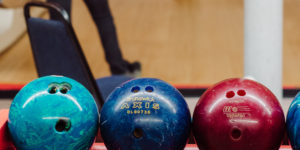
To hook a bowling ball successfully, you need the right gear. Plastic or polyester balls are great for straight shots but aren’t designed for creating strong hook motion. Instead, reactive resin balls offer the grip and surface texture needed for hook potential. At SpareZ, we guide bowlers toward the right ball based on skill level, lane conditions, and personal throwing style.
Weight also matters—heavier balls can offer more pin action but may be harder to control. Finger hole drilling and layout further influence how the ball responds on the lane. We recommend beginners consult with our pro shop for ball fitting and layout guidance to maximize their hook development.
Grip and Stance: Setting Up for Success
Before you can hook a bowling ball effectively, your setup must support proper motion. A relaxed, fingertip grip allows for better rotation during release. This grip style places your fingers slightly inside the holes and your thumb fully in, allowing the ball to rotate off your fingers with more spin.
Your stance should be balanced and square to the lane, with knees slightly bent and your bowling shoulder relaxed. Alignment is key—aiming from the right-hand side of the lane (for right-handed bowlers) toward the pocket gives your hook the space to develop. We help new bowlers refine their grip and stance through one-on-one instruction and structured league play.
Release Technique: How to Hook a Bowling Ball Consistently
The release is where everything comes together. To hook a bowling ball, you need to release it with a slight upward motion, letting it roll off your fingers without forcing the spin. Keep your wrist firm and rotate your hand slightly from the 4 o’clock to the 7 o’clock position (for right-handers). This motion imparts the side rotation needed for the ball to curve downlane.
Avoid “turning early”—rotating your hand too soon causes the ball to spin out without gaining lane traction. Instead, we coach bowlers to focus on timing and fluid motion. Practice helps develop the muscle memory needed for consistent hooks, and our staff is here to support that learning curve every step of the way.
Practice Drills to Improve Your Hook
Repetition and feedback are essential to mastering how to hook a bowling ball. Start with drills that isolate specific parts of your motion, such as:
- Release drills using low-speed throws to feel the ball spin
- Targeting drills with arrows or lane markers to improve accuracy
- One-step approaches that emphasize hand position and follow-through
We also encourage bowlers to track their results—note how different releases, angles, or balls affect your hook. Our lanes offer a great environment for consistent practice, and league play offers opportunities to refine these skills under light competitive pressure. Looking to practice more often? Check our latest bowling coupons for discounts on lane time and gear rentals.
Confidence and Control in Every Frame
Mastering how to hook a bowling ball doesn’t happen overnight, but with the right guidance, equipment, and practice, it becomes second nature. At SpareZ, we’re here to help you build that confidence—offering the tools, support, and space you need to grow your game.
Whether you’re just getting started or ready to take your skills to the next level, knowing how to hook a bowling ball opens the door to better scores and more rewarding gameplay. Let’s get rolling—your best frame yet is right ahead.